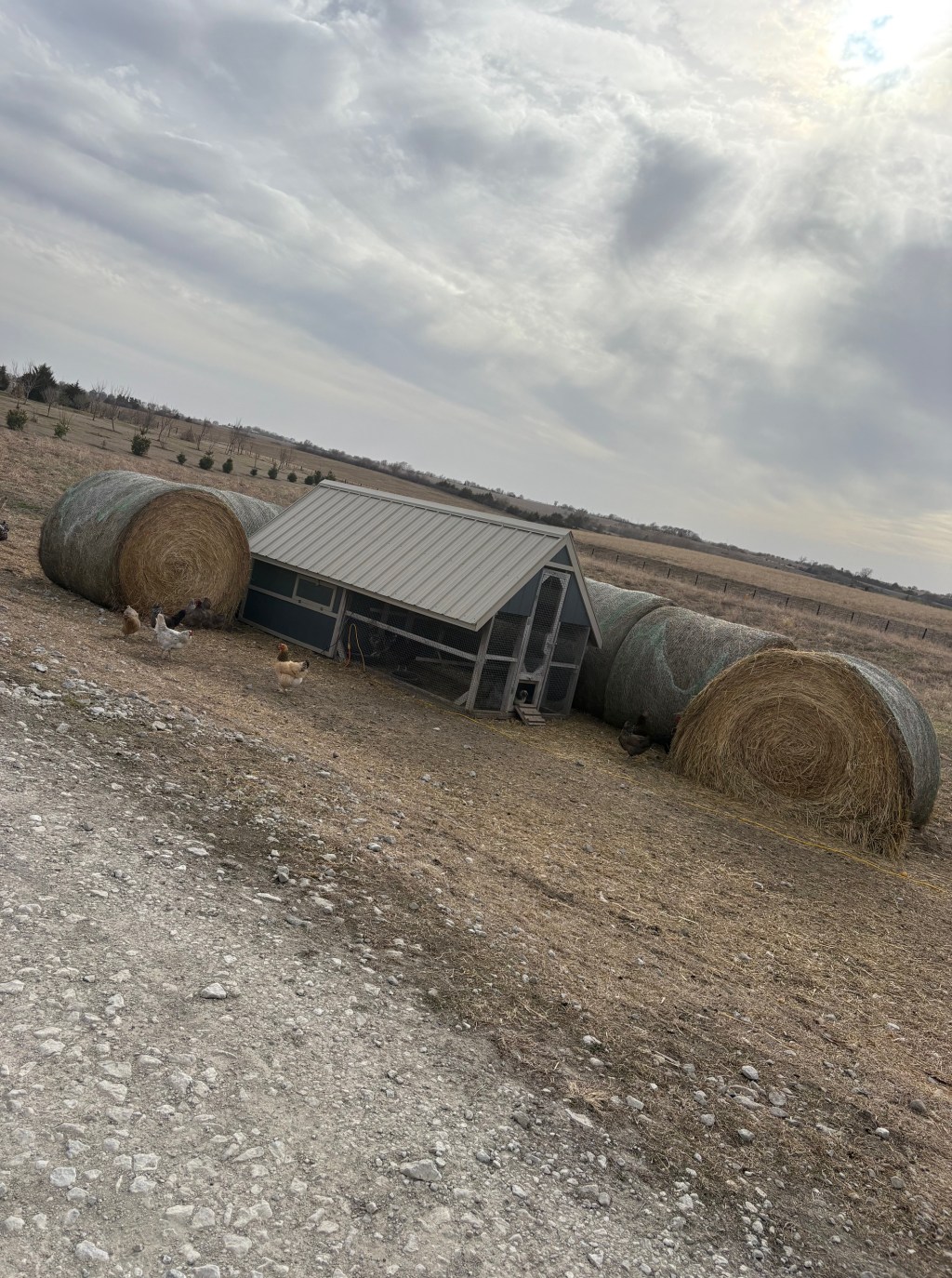
This week, we will explore the poultry aspect of our farming operation. This arm serves as both a hands-on science experiment for my children and an opportunity to teach lessons in genetics. It also allows them to gain experience in caring for small animals while developing essential habits through daily chores. In addition to fostering responsibility, this endeavor provides us with fresh eggs and opens the possibility of raising meat chickens in the future.
Eggs
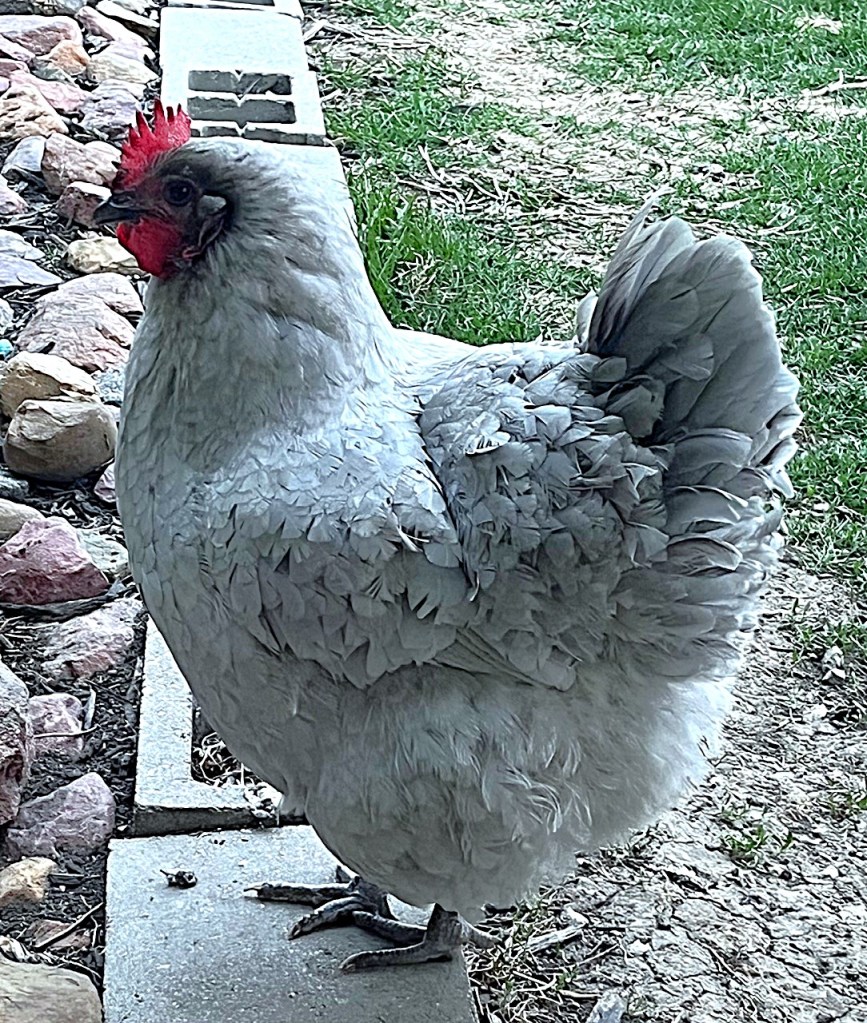
Our flock currently consists of 24 chickens featuring an array of unique breeds including Lavender Orpingtons, Rhode Island Reds, Sapphire Gems, Barred Rocks, and Buff Orpingtons.
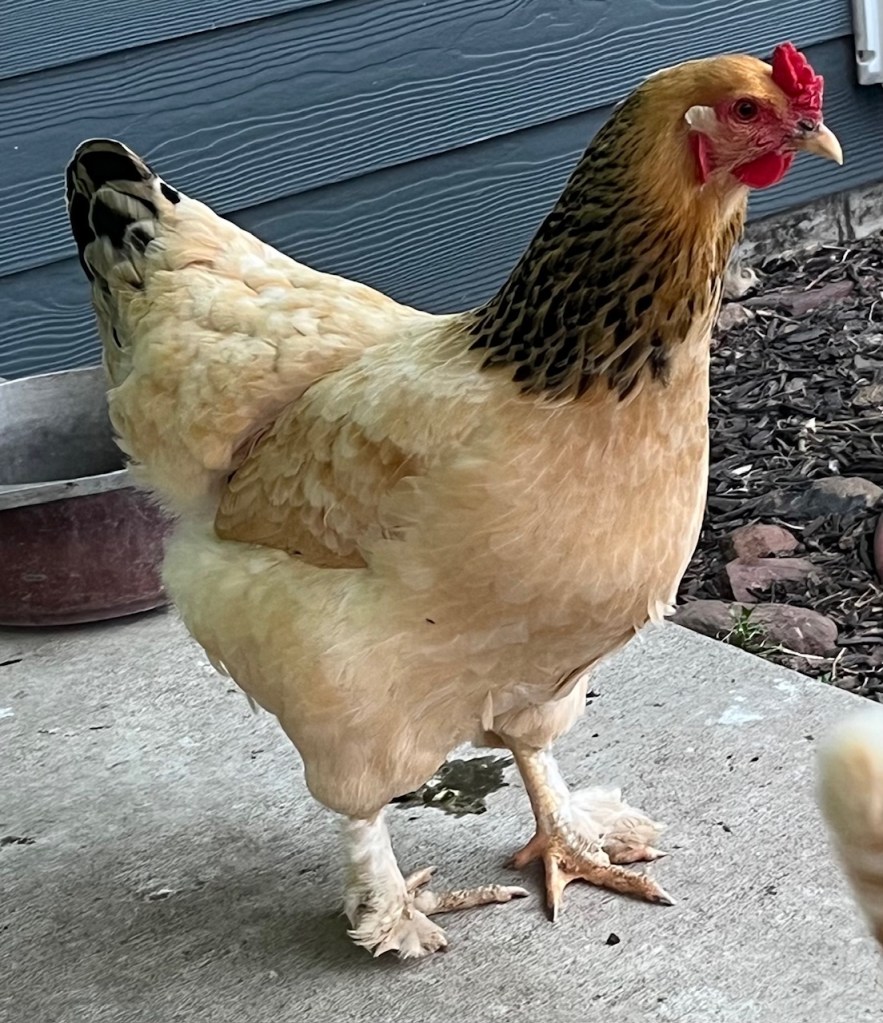
As we continue to expand, we are excited to introduce turkeys, ducks, and geese to our poultry operation. On average, we gather around 18 days each day. We sell the eggs to the community or give them away to our close friends.
Hatchlings
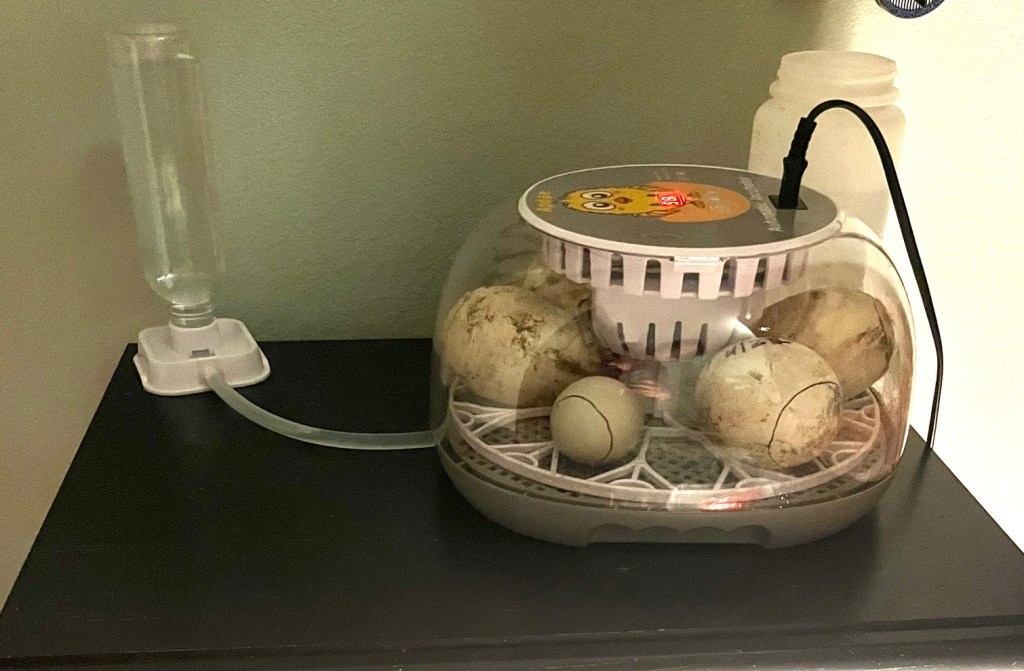
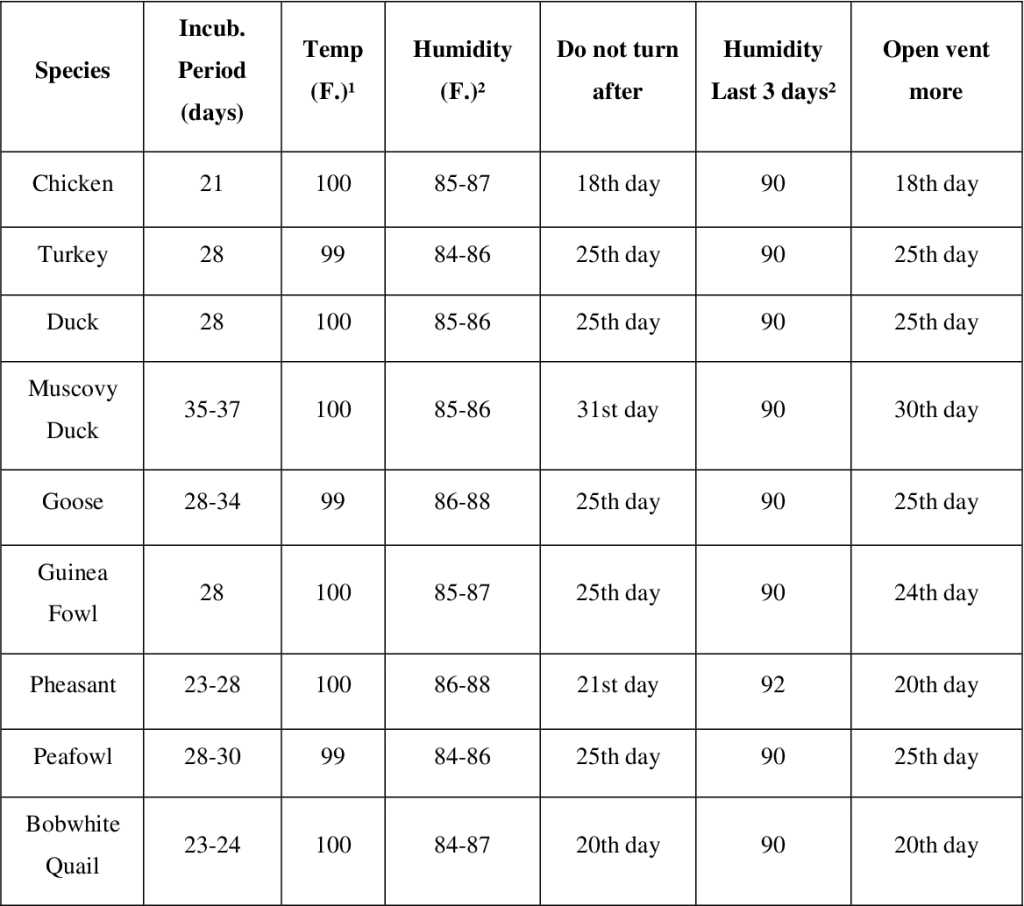
Last year, instead of ordering chicks in the mail, we decided to hatch our own eggs. We had to do some research of how to use an incubator. There are all kinds of incubators, but we chose one that you can set the temperature, humidity, and had an automatic egg turner. For chickens, we set the temperature to 99.5 and the humidity setting changed depending on the incubation day of the egg. But if you hatch a different species, then you will want to reference a chart like the one below for guidance.
Development

We also enjoyed monitoring the development of the embryo to a baby chick. We tracked the progress every day using the life cycle diagram. We also learned to candle the eggs by shining a flashlight into the shell and comparing what we observed to a candling chart. It was a 21 day experiment full of lots of change!

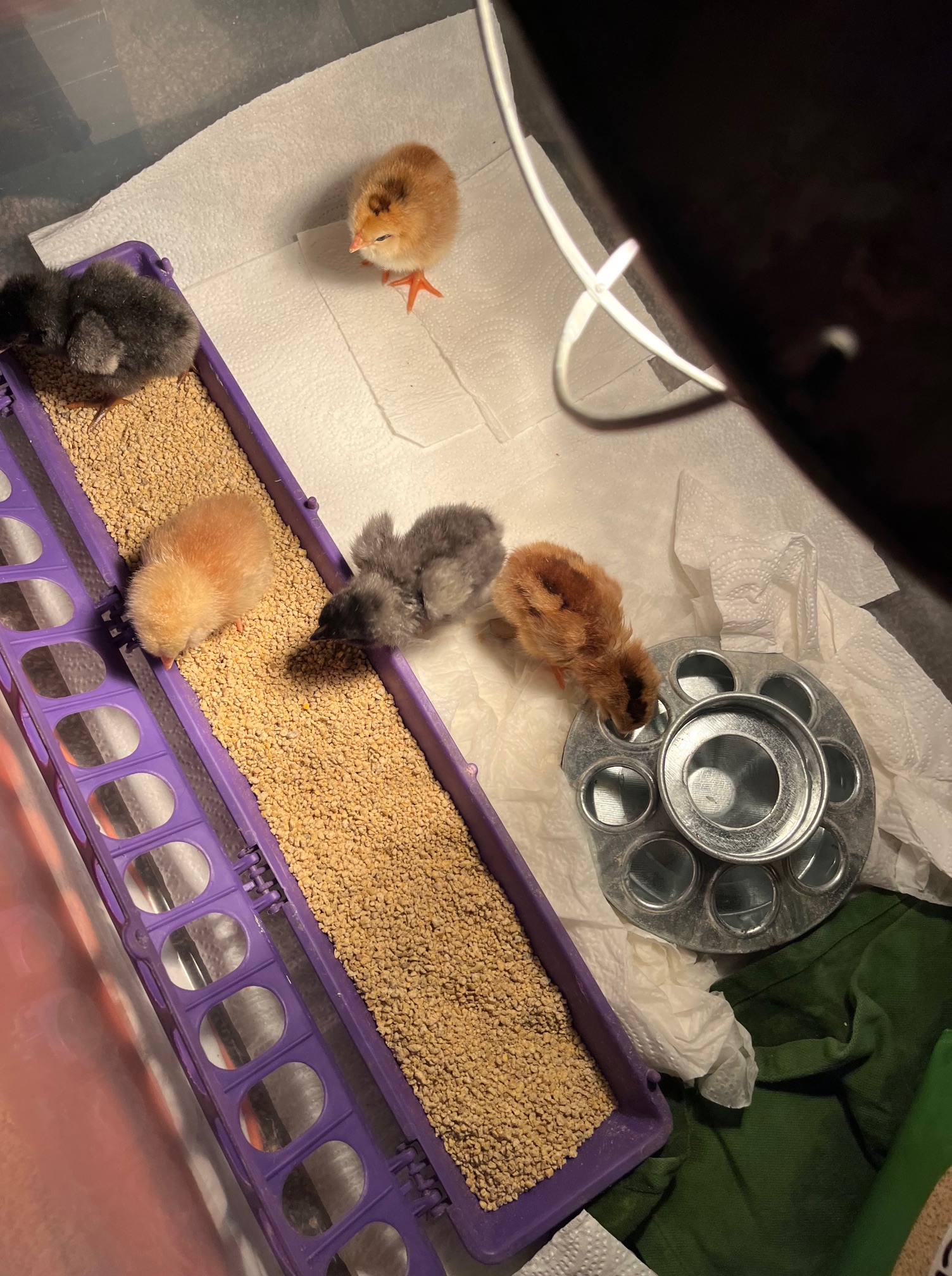
The chicks hatched and the care began immediately. We kept the babies in a large Tupperware container with food, water, and heat lamp. The bottom we cover with pine shavings to absorb droppings and spilled water from these messy kids.
Current Breeding Goals
Currently, we are experimenting with hatching Silkie Eggs we ordered from Etsy and Ebay. Our goal was to buy the same breed from 2 different farms and see if we can get a rooster and a hen from each set of eggs and see the variation we get from their hatchlings.
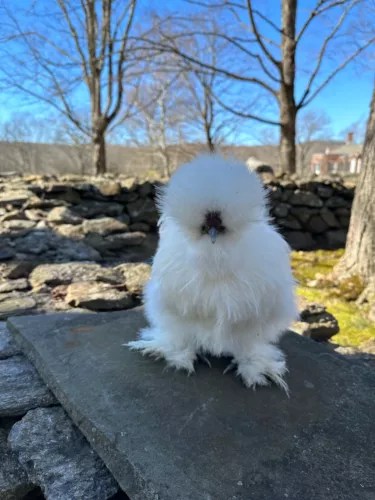
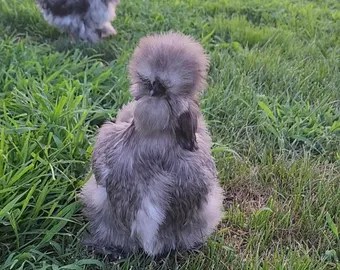
Breeding Silkies as part of a 4-H project not only engages us in sustainable practices but also will show how genetic variation within breeds can impact appearance, productivity and adaptability.
Additionally, we aim to acquire more Lavender Orpingtons for breeding, as they are a particular favorite of ours due to their gentle nature and beautiful plumage. We have also reached out to our local poultry owners and have found geese, turkey, and duck eggs to add to our flock.
Breeding chickens is educational and also very interesting to us. You can transfer this knowledge to other animals and make some money selling eggs, babies, or birds. Like in any area of agriculture you make it what you want.

 Farmalltheways.org
Leave a comment